
Many Canadians choose childlessness
A new World Happiness report says significant shifts in family size, including more couples without children, threaten the role households will play in years to come. According to an Angus Reid poll, key reasons for childlessness include the cost and the difficulty of getting “proper housing to raise a child.” Financial instability influences couples’ decisions about having kids, says Ana Ferrer, an economics professor at the University of Waterloo. Concerns over money can cause some couples to defer having kids — sometimes to the point that it becomes difficult to later on, Ferrer says. Childcare remains expensive. “Spots for $10-a-day or affordable childcare are almost impossible to get,” said Robichaud, of Mothers Matter Canada.
Subsidized childcare is not the only way Canadian governments have sought to support parents. In 2006, Canada introduced the Universal Child Care Benefit (now the Canada Child Benefit), which gave eligible families $100 a month for every child under six. Quebec established the Québec Parental Insurance Plan, lowering eligibility for maternity leave, increased income replacement and enabled fathers to take parental leave.
After 2006, “the total fertility rate in Quebec increased dramatically compared with the rest of Canada,” said Sitian Liu, an assistant professor at Queen’s University. “It seems that generous support through parental leave, and in particular, this policy that encourages fathers to take more roles in childcare, might be effective for encouraging people to have kids or have more kids.”
Source: Canadian Affairs
Introducing Apple accessibility labels
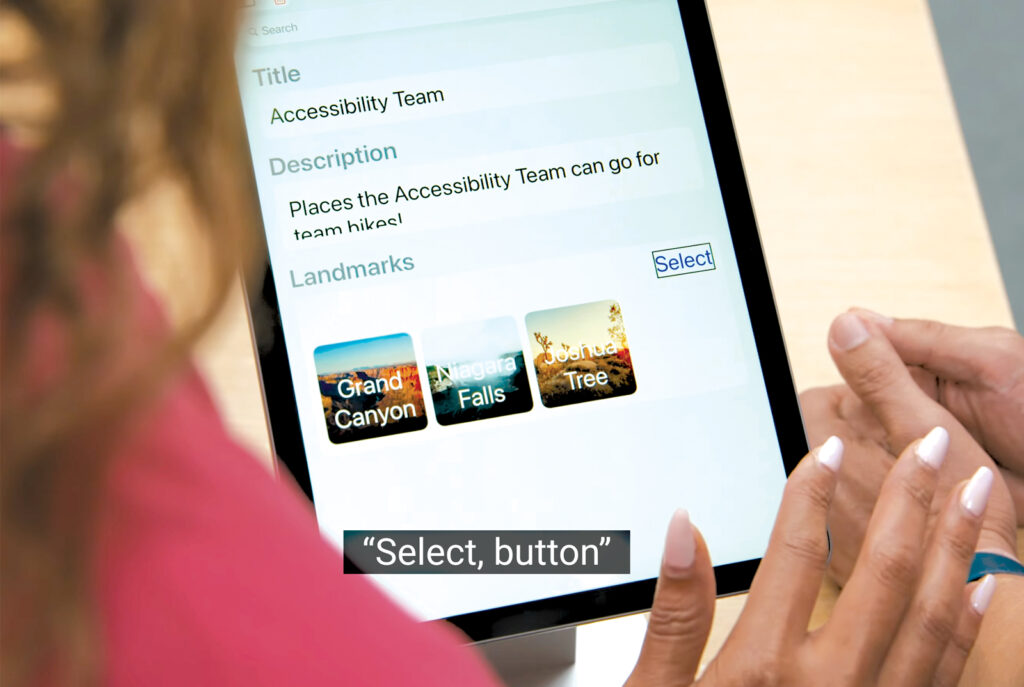
As part of a number of new features to support its physical products, Apple is launching what’s being called ‘Accessibility Nutrition Labels’.
Signalling a broader industry shift that shows inclusive design as a strategy, not an afterthought, the goal of the labels is to provide consumers with transparent information about the app’s accessibility features prior to download, the new labels will appear on App Store product pages. They’ll highlight supported features like Voice Over, Voice Control, text customization options and more.
Aiming to empower users with disabilities to make informed decisions about which apps will meet their needs, the labels will also give developers the opportunity to showcase their accessibility investments.
Other new and exciting tools, The Magnified app, previously available on iPhone and iPad will come to Mac for low vision users to use for zooming in on their surroundings using webcams or connected iPhone cameras. For braille users, new Braille Access will transform Apple devices into full featured braille note takers with support for math calculations and real time conversations.
Accessibility is no longer about compliance – it’s a business imperative with disability influencers continuing to reshape public perceptions by showing how diverse needs define everyday life.
Source: trendwatching.com
Will drones deliver hot food outside cities?
Taken for granted by city dwellers, food delivery may soon be an option for those who live beyond the urban limits.
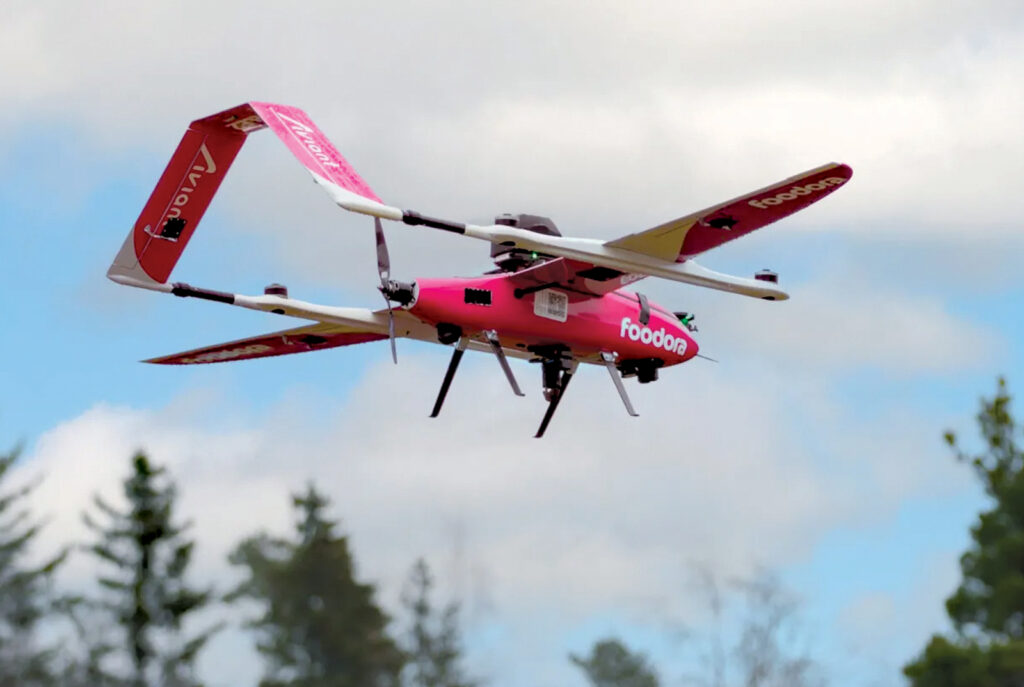
In a sign of things to come, Tele2 and q-commerce platform, foodora, recently completed a successful Bastard Burger home delivery test on Sweden’s island of Varmdo, just 8 miles from Stockholm, as the crow flies. The island is accessible by car, bus and ferry and doubles in population to over 100,000 during the summer months.
Using electric drones developed by Norwegian’s Aviant, the collaboration marks an important step towards faster and more efficient deliveries. Drones will be used for both food and grocery deliveries and the service is designed to make everyday life easier for customers in areas where quick and convenient access to goods is a priority. To use the service, customers simply fill in a form after which the delivery address will be verified for compatibility with drone deliveries in the area.
The drones’ current delivery area covers approximately 10 km in diameter but in some areas can reach up to 15km. Each drone can carry up to 900 grams and the total promised delivery time is under 30 minutes with a flight time of about 10 minutes per delivery. As the drones save the cost of the drive, delivery rates are said to be comparable to that of a car or bike service. The service is set to expand into other areas in the near future.
Source: BBC
Images: iStock. Aviant. BBC. Tele2. Foodora.