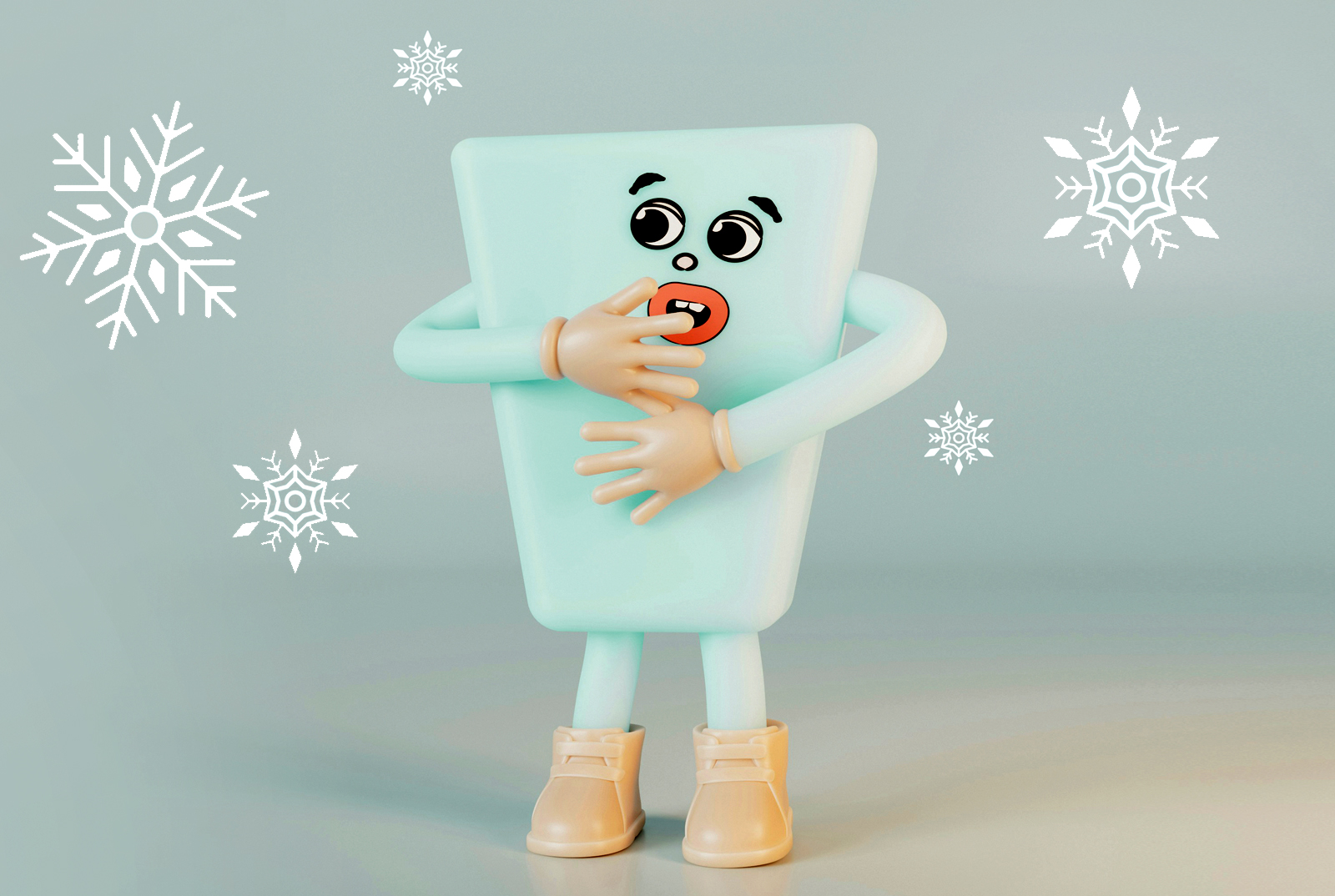
Frostbite is a direct effect exposure to the cold that results in the freezing of skin. Frostbite is characterized by skin that appears waxy and is lighter than usual. The ears, nose, cheeks, fingers and toes are the parts of the body most often affected.
Symptoms of superficial frostbite, which only affect the skin’s surface, are that skin becomes numb and tingly, reddens and then turns pale. Small fluid-filled blisters can appear on the skin. With severe frostbite skin becomes cold, pale and waxy.
What to do if you have symptoms:
• Shelter yourself from the cold, remove damp or wet clothing, warm up by covering yourself in blankets and avoid rubbing your skin.
• When the frostbitten area warms, you may experience pain or a burning sensation. If you do not have an open wound, you can soothe the pain by applying a skin protection cream, such an aloe vera gel.
• Do not smoke or drink alcohol to warm yourself up. On the contrary, smoking or drinking alcohol can lower your body temperature even more.
• You may need to consult a doctor or other health-care professional to treat frostbite, especially if it is severe.
Complications
Frostbite should be treated quickly and properly. Otherwise, the affected area may remain sensitive to the cold for many years. In more serious cases, severe frostbite can lead to amputation.
People at risk
Certain people are more at risk of suffering from the effects of extreme cold: Newborns and infants, people aged 65 and over, winter sports enthusiasts, people with reduced mobility/autonomy and chronic illnesses.
Image: Planet Volumes, Unsplash