As both a Registered Massage Therapist (RMT) and a mother of a neurodiverse child, I’ve experienced how thoughtful, gentle touch can transform a child’s day– physically, emotionally, and socially.
Whether your child has autism, ADHD, cerebral palsy, or other unique needs, massage therapy (and related therapies) can become a comforting, supportive part of their routine. I’d like to share our journey, evidence-based insights, and practical advice to help you explore how therapeutic touch might benefit your family.
Why we started
My son was diagnosed with autism and ADHD at the age of 8. He struggled with anxiety, digestive problems, and sleep disturbances. Traditional therapies helped, but I longed for something we could also do at home. So, during my training in holistic manual therapies, I began giving him gentle bedtime massages; slow lymphatic-style work, gentle movement and myofascial releasing.
Noticeable results
Not only did my son became calmer, his sleep improved, and his motility (digestion) became more consistent. These outcomes reflect findings from clinical studies. In one randomized controlled trial, autistic children given 15-minute bedtime massages showed fewer sleep problems, better focus in school, and reduced repetitive behaviours1. In another study, parent-delivered traditional Thai massage (passive mobility) lowered anxiety, improved sociability, and reduced stress2 – both for children and parents.
Sensory therapy
Another modality that had a significant impact was Qigong Sensory Therapy (QST). This is a parent-delivered rythmic movement-style massage grounded in Chinese medicine. It was created by Dr. Louisa Silva.
By normalizing touch and calming the nervous system QST supports sleep, digestion, emotional regulation, and social development.3
We implemented QST at home and saw profound changes: my son became calmer, more responsive to touch, and more present in the moment. Our family actually found it life-changing, and truly a revelation in our (often unsung) parent-led efforts.
How touch supports
Many children living with disabilities, whether neurodevelopmental, emotional, or physical, experience challenges in how their bodies feel, move, and respond to the world around them. For some, this includes sensory sensitivities, anxiety, or over-stimulation. For others, it may mean muscle stiffness, low tone, or difficulty with movement.
How an RMT can help
Massage therapy, when thoughtfully adapted, can help regulate challenging responses, support physical comfort, and promote emotional well-being.
Children who are neurodiverse may display sensory-seeking or sensory-avoidant behaviours. Children with emotional difficulties may carry tension in their bodies, struggle with self-regulation, or have difficulty calming their nervous systems. Children living with physical disabilities may deal with restricted mobility, discomfort, or joint tightness.
In all these cases, massage therapy can be a helpful addition to their healthcare routines.
Therapeutic touch
Whether through gentle lymphatic-style massage, myofascial releases, or movement therapies –therapeutic touch helps reduce stress and improve connection to the body. Research shows that these treatments can increases heart rate variability (HRV) which is a marker of a balanced nervous system, and may event improve motor coordination and sensory regulation.4
Small additions
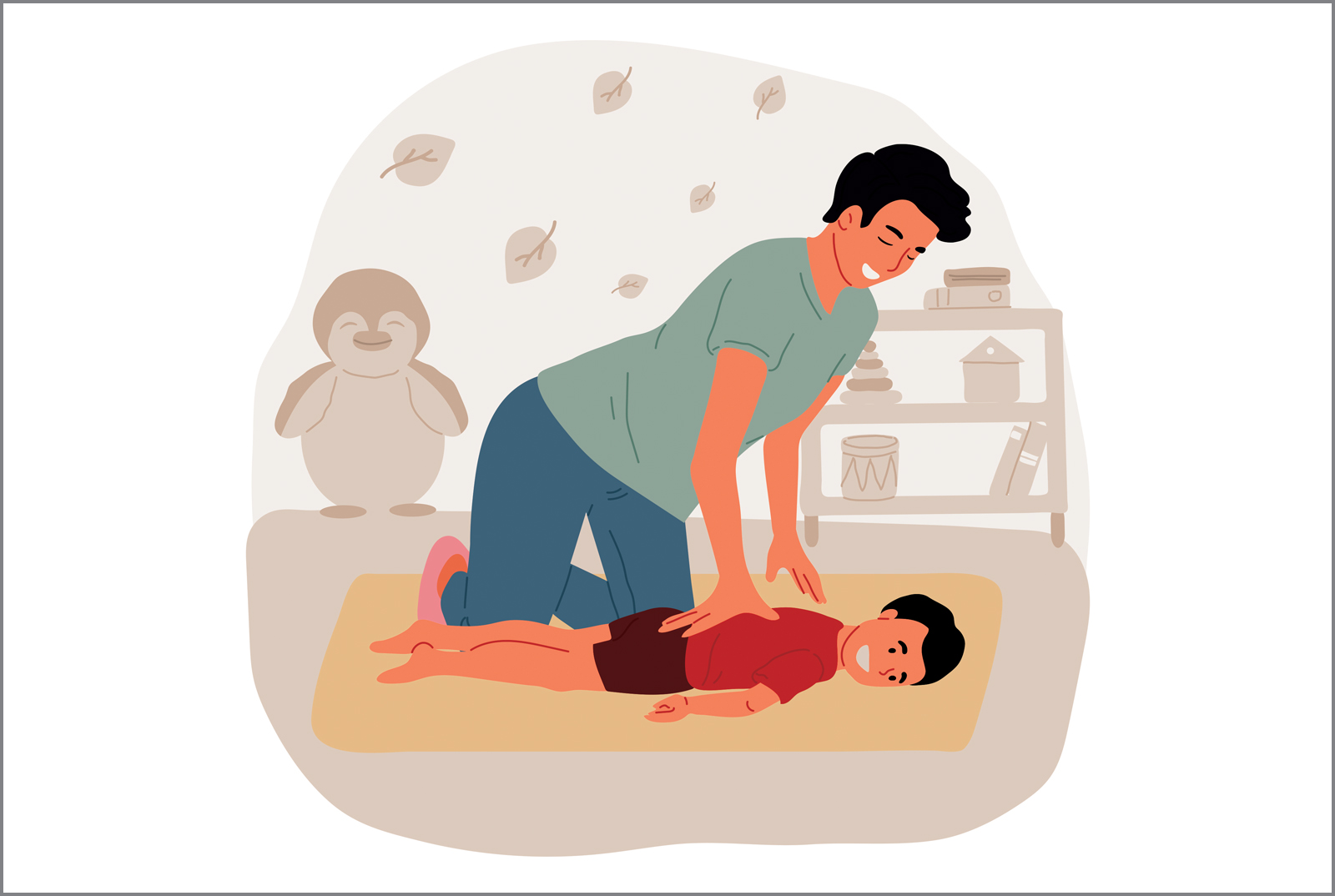
In my own experience, simple guided movements before or after massage, (like leg rolls, arm stretches, or light joint mobility exercises), have helped children feel more comfortable in their bodies. For my son, these little additions to our massage routine not only calmed his energy but gave him a clear sense of grounding and relaxation.
Selecting a therapist
Here are some important questions to consider when considering an RMT for your child:
1) Do they work with neurodiverse or children living with physical disabilities? Training in paediatric massage, sensory integration, or trauma-informed care is invaluable.
2) Can the environment be tailored?
Dim lighting, minimal sound, varied pressure, session length (15–30 minutes), and clothing options help create a more comfortable setting.
3) Can the parent/caregiver participate? I encourage caregivers to stay. Your presence supports the child and helps you learn techniques you can use at home.
4) Are they aware of medical needs? Therapists should understand conditions like epilepsy, mobility limitations, feeding sensitivities, or sensory issues.
5) Do they honour child-led consent? Always let your child guide the pace; pausing or stopping or asking questions as needed. Starting with stillness or just getting familiar with the therapist and space without treatment is okay too.
Everyday integration
Consistency is key. Our nightly routine included a few minutes of gentle limb massage, slow guided breathing, or arm stroking. These moments became cherished bonding rituals and signals for calm before bedtime.
Research supports this too: parent-led massage routines significantly reduce anxiety, improve sleep, and
support sensory regulation.6 I can attest to that! These routines had become a steady grounding point for an otherwise unpredictable day.
Start where you are
If you’re a parent considering massage therapy as a support for your child, know this: you have more tools than you might realize. Massage therapy delivered by a trained professional, or massage through your own hands with simple, loving techniques, can both be powerful ways to support your child’s comfort, regulation, and well-being. You don’t need to be an expert. With curiosity, care, and consistency, massage can become a calming ritual, a moment of connection, and a meaningful addition to your child’s wellness journey.
You are not alone on this path
More families and practitioners are embracing touch-based therapies, (like massage therapy, movement therapy, and adapted bodywork), as evidence-informed, compassionate ways to meet children where they are. These approaches can bring real relief, deepen trust, and strengthen the beautiful bond you already share with your child.
Your child’s needs are unique—and so is your intuition as their parent. Trust that. Let touch be one of the many empowering ways you help them thrive.
Anne Käärid is a registered massage therapist, educator, mother, and proud grandmother based in a charming village near London, Ontario. Since 2008, she has brought a caring, holistic approach to her practice. www.annethermt.com
References available upon request.
Benefits that make a difference
With a thoughtful, adaptable approach, massage therapy can provide:
• Calming and emotional regulation
• Improved sleep and reduced anxiety
• Better body awareness and physical comfort
• Strengthened parent–child connection
• Empowerment for children and parents advocating for sensory needs.
Image: iStock