With one in five children and youth experiencing a mental health issue according to Children’s Mental Health Ontario, it not unusual to find your youngster struggling with anxiety.
Social media and peer pressure, family troubles, school expectations and negative world news are often the cause. The good news is that small, intentional steps at home, school, and in the community can make a big difference.
1) Start with listening, not fixing
When your child shares their worries, resist the urge to jump straight into solutions. Instead, validate their feelings, try phrases like; “That sounds really hard,” or “I can see why you’d feel that way.”
Called active listening, this approach helps children feel safe and understood. Being heard is often the first step toward emotional regulation. Try asking open ended questions such as, “What do you think would help right now?” or “How does your body feel when you’re nervous?”
2) Use the 3–3–3 technique
For younger kids (and anxious adults too), grounding exercises help calm racing thoughts. This sensory strategy, recommended by Anxiety Canada, brings focus back to the present moment and reminds children that they are safe. Guide your child to:
• Name 3 things they can see
• Identify 3 sounds they can hear
• Move 3 parts of their body
3) Model calmness and self-compassion
Children often mirror their parents’ emotional responses. If you’re anxious they’ll pick up on it. Practice calming techniques together—deep breathing, stretching, or sipping tea mindfully after school. And when you slip up (as every parent does), model self-compassion: “I was really stressed earlier, so I took a few deep breaths to reset.” You’re not only helping your child manage anxiety—you’re teaching them emotional resilience.
4) Build predictable routines
Provide structure and a sense of control can help. In our post-pandemic era of shifting schedules and hybrid work, many families have lost stability and predictability. Try anchoring your day with consistent mealtimes, bedtime rituals, or “quiet moments” where screens are off and everyone reconnects. Even small rituals, like sharing a gratitude list at dinner, can help kids feel grounded and secure.
5) Encourage movement and nature time
Canadian winters can make it tempting to hibernate indoors, but research shows physical activity and time in nature significantly reduces stress and the symptoms of anxiety. Whether it’s skating on a local rink, walking the dog, or hiking a forest trail, movement helps regulate mood and release tension. Encourage outdoor play for kids and join them when possible—your body (and mind) will thank you too.
6) Collaborate with educators
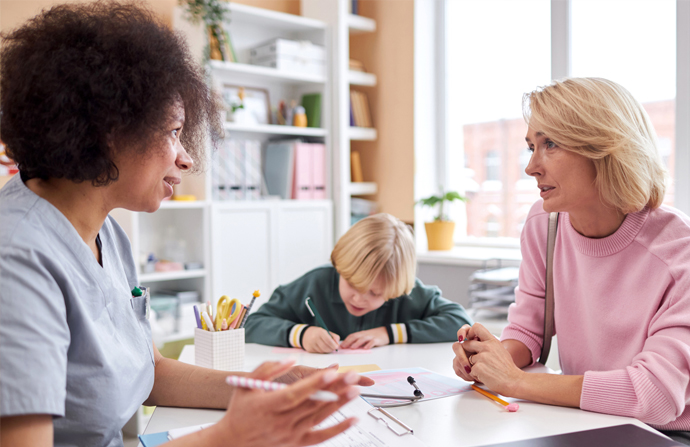
Open dialogue with teachers and school staff – they’re are often the first to notice when a student is struggling. Anxiety may be affecting their attendance, participation, or grades, Many of our schools now use tiered mental health supports, meaning help can come from within the classroom before external intervention is needed. Simple accommodations—like flexible deadlines or quiet spaces for breaks—can make a big difference.
7) Screen early and seek help without shame
Early intervention is crucial. According to the Canadian Mental Health Association (CMHA), most mental health issues begin before age 18. Talk to your child’s healthcare provider about screening for anxiety using evidence-based tools like the GAD7 or SCARED questionnaire. And remember: seeking professional help is a sign of strength, not failure. Organizations such as Foundry BC, Kids Help Phone, and Strongest Families Institute offer free or low-cost virtual support across Canada.
8) Practice mindfulness together
Mindfulness isn’t about emptying the mind, it’s about paying attention with kindness. Try a five-minute family mindfulness practice before bedtime: breathe deeply, notice sensations, and name one thing you’re grateful for. Older kids might prefer journaling or guided meditation apps like Headspace. The goal isn’t perfection; it’s creating calm habits that make anxiety less overwhelming over time.
On the same team
Anxiety can feel isolating, but remember that you and your child are on the same team. As parents, teachers, and caregivers, you can’t prevent all stress, but you can teach kids how to respond with resilience and self-compassion. In a country as vast and varied as Canada, community support matters. Whether that means connecting with a local mental health program, joining a parent support group, or taking time as a family to simply breathe, every small step adds up.
Anxiety doesn’t have to define your child—or your household. With understanding, early support, and consistent care, families can navigate these anxious times with courage, connection, and hope.
_____________________________________________________________________________________________
If you or your child need support:
Kids Help Phone – 1-800-668-6868 (toll-free) or text CONNECT to 686868 (24/7 confidential counselling) – kidshelpphone.ca
Vancouver CBT Centre – vancouvercbt.ca/anxiety-resources/
Canadian Mental Health Association (CMHA) – cmha.ca
Photo: iStock