Body image is the mental picture that we have of our bodies. It includes how we see our bodies, as well how we think about, feel about, and judge our bodies. Any of these aspects of our body image can influence what we do, such as how we react to a situation.
Body image is both a trait, which refers to a general feeling that a person has about their body, and a state, meaning that there are feelings that a person can have about their body that change from one day to the next. When we feel connected to our bodies and are able to accept or appreciate ourselves, we are more likely to respond to our bodies’ natural needs with care – such as by filtering out unhelpful appearance-focused messages to which we’re exposed.
This resource highlights how, as a parent or caregiver of a young person, you can help transform moments of negative body image that they experience into moments of feeling comfortable in their skin, and foster their connectedness with and appreciation for their body.
What to consider if your child says “ugh, I’m fat!”
You might be inclined to assure them with a response like, “no you’re not – you’re beautiful!” or “that’s silly, of course you’re not!” While well intended, statements like these can imply that fat is bad.
Strategies to help your child feel comfortable in their body
Be curious:
• Be open to explore what they mean when they say they are fat. Often, when young people call themselves “fat”, they are struggling with negative feelings like sadness, loneliness, or insecurity. Ask what “fat” means to them and help them identify words that describe what they are feeling inside.
• If your child is larger-bodied, acknowledge how they are feeling. Ask questions to find out why they are expressing negativity about their body – perhaps they are worrying about fitting in with their peers or they have been bullied.
Discuss body diversity:
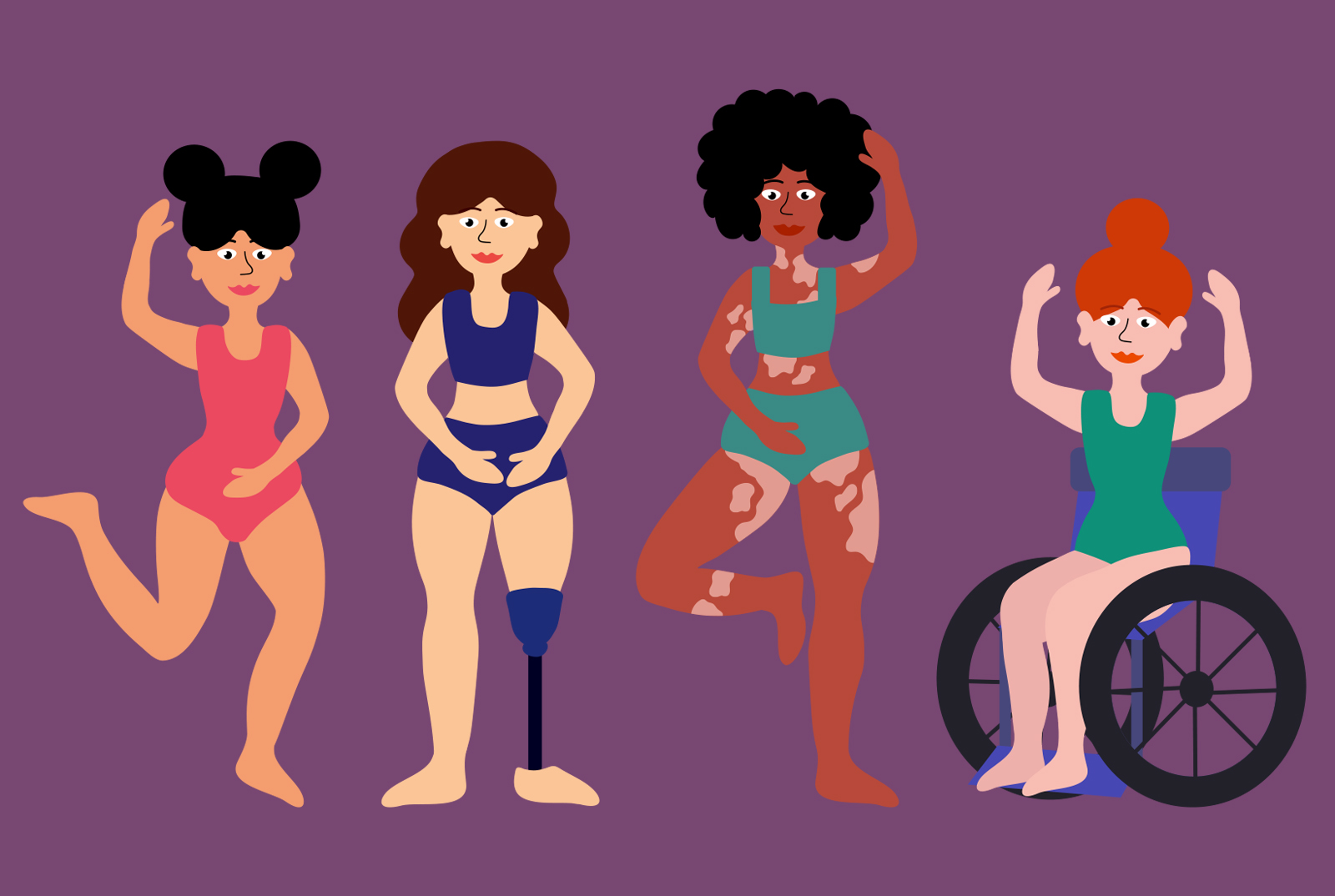
• Point out that people naturally exist in a wide range of shapes and sizes. Observing the diversity among other living things around them, like dogs and cats, might help your child understand this concept.
• Keep in mind that dissatisfaction with body weight and shape can be related to other aspects of appearance, like skin colour and gender expression. It may be relevant to talk about various ways in which bodies are diverse.
Role-model respect for all bodies:
• Avoid talking negatively about others’ bodies. Keep in mind that complimenting other people’s bodies can also convey a message that certain body types are better. If you would like to comment positively about someone’s appearance, try to balance it out with the addition of at least one non-appearance focused compliment.
• Try expressing appreciation for aspects of your body out loud around them – for example, legs that enabled you to climb a steep flight of stairs, or taste buds that allowed you to enjoy all the flavours in a bowl of yummy food.
• When you hear someone putting other people’s appearance down, try responding that all humans are more than a body and have inherent value, or changing the conversation topic.
Address concerns that have brought up their commentary about their body, such as body-based bullying:
• Ask questions to find out what kind of support they need or want.
• Help them find an outlet for emotions related to their concerns. They might find different strategies for different emotions. Examples are available on the National Eating Disorder Information Centre (NEDIC) website.
For information, support, resources, and referrals, chat with us online at nedic.ca or toll-free 1-866-NEDIC-20 (416-340-4156 GTA).
NEDIC is Canada’s National Eating Disorder Information Centre. Visit www.nedic.ca
Learning what to say “instead”
Instead of assuring them that their statement is unfounded by saying…
• No you’re not – you’re beautiful!
• That’s silly, of course you’re not.
• You have nothing to worry about.
Instead of encouraging them to change their body as a way to feel better by saying…
• If you eat more healthily and exercise more, you’ll lose some weight and feel happier about how you look.
• How about trying this diet? It will help you burn fat and gain muscle.
Instead of commenting on how their food choices and activity level are affecting their weight or shape…
• That’s fattening – look how many calories in it.
• If you eat big portions, you won’t be able to tone up.
• You need to exercise more to lose weight.
Try inviting them to tell you more about what they are feeling…
• It seems to me that something is really bothering you. If you’d like to talk about it, I’m here to listen
• I’m wondering if something happened that has made you feel upset about your body.
Try acknowledging what they are feeling and encouraging them to be kinder to themselves…
• I’m sorry that you’re feeling this way. Let’s see if we can figure out together how to reduce the focus on your body.
• You’re worried about how you look – I hear you. I wonder what you would say to your best friend if they said the same thing about their body.
Try encouraging them to tune into their body’s signals and to eat and move in ways that help them feel well…
• All foods can fit.
• It’s important to listen to your body. Have you eaten enough to feel satisfied and energized?
• What a beautiful day. I’d love a walk or bike ride around the park. Do you want to go together?
Image: iStock