
How to boost our breastfeeding ratio
Breastfeeding is a natural, learned behaviour and one of the most effective ways to give babies a healthy start in life. It protects from infections, supports development, and helps reduce infant mortality. The World Health Organization (WHO) estimates that optimal breastfeeding practices could save more than 820,000 children worldwide annually.
Regretfully, current Canadian breastfeeding outcomes fall short of global targets. Only 38 per cent of Canadian infants are exclusively breastfed for the first six months, well below the WHO goal of 60 per cent. While 91 per cent of our parents initiate breastfeeding after birth, many stop within the first month. Common reasons include breastfeeding challenges, limited access to lactation support, and the need to return to work.
These challenges reflect broader systemic gaps. Breastfeeding support, and policies, vary widely across provinces and territories, highlighting a lack of national coordination, accountability, and measurement. One proven way to address this is through the World Breastfeeding Trends Initiative (WBTi), an international assessment used by 100 countries to evaluate how well governments support breastfeeding through laws, health systems, and public policies.
Canada has never completed a WBTi assessment. However now, a national group of health professionals, researchers, Indigenous representatives, and advocacy organizations has launched Canada’s first assessment. This initiative offers a roadmap to ensure all families have the support they need to give their children the healthiest possible start.
Source: Canadian Affairs

5 killer diseases may surge globally
Five deadly diseases for children – cholera, measles, malaria, tuberculosis and diarrhea – could witness major resurgences and the unfortunate reversal of previously hard won health system gains. Experts suggest this will be caused by the convergence of aid cuts, extreme weather events that disrupt access to relief supplies, safe water, and sanitation as well as the ability to provide healthcare services in conflict zones.
Global funding for health in low- and middle-income countries is estimated to have fallen by at least one fifth in 2025 with countries in sub-Saharan Africa suffering most of the heaviest cuts. Here, health systems in 2026 are said to be under even greater pressure to deliver essential health services to children in desperate need with even less resources than in the past.
Meanwhile, the number of young children living in conflict zones reached a record high in 2024 at 520 million – or more than one in five – while an estimated 73,000 children per day were affected by climate crises in 2025. Both of these crises can damage health infrastructure and reduce access to food and essential services. They also increase the dangerous spread of infectious diseases and children’s susceptibility to them through, for example, increased malnutrition.
Without urgent action from governments and partners around the world these diseases for children could cause a disturbing increase in the number of paediatric illnesses and deaths in 2026.
Source: savethechildren.ca
Faith and love can do more than medicine
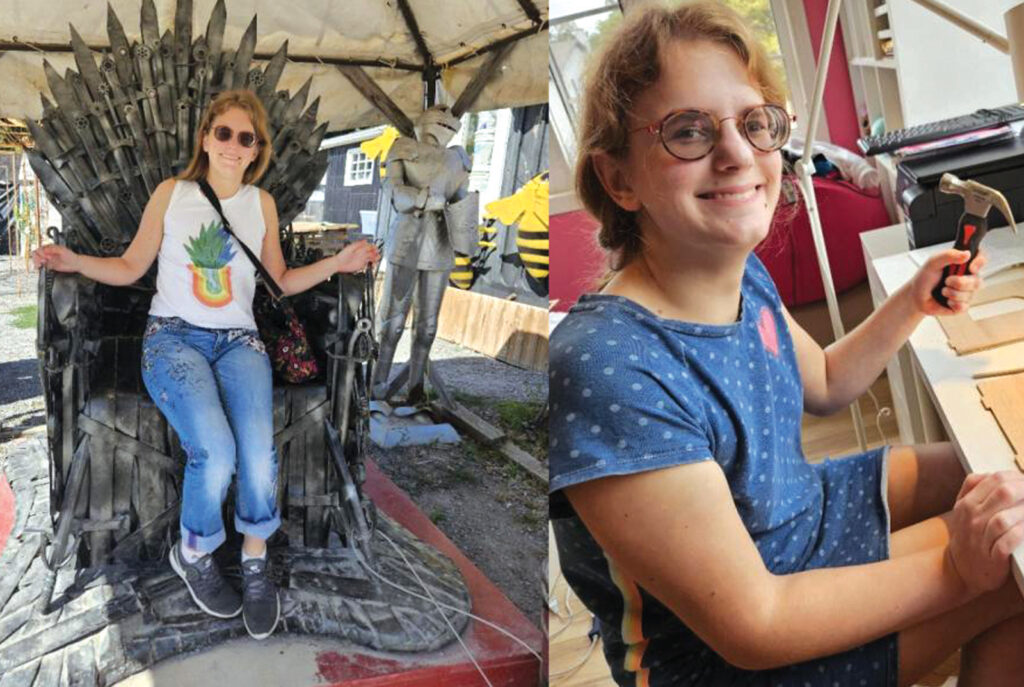
A recent interview with long-time Holland Bloorview patient Yasna Besedina by Editor Louise Kinross underscores the impact of never giving up and providing time, love and support for children who are facing health challenges. Yasna was born prematurely and faced several conditions that have affect her life since birth. These conditions include Retinopathy of Prematurity, which caused visual impairments, mild hearing loss, and mild cerebral palsy, to name a few. While these things have caused their own share of obstacles, Yasna suggests that some of her biggest barriers came from social and friendship issues. She underscores the importance of a few true friends, over trying to appease everyone.
At birth, doctors predicted she wouldn’t be able to walk or communicate. Now, Yasna can fluently speak Russian, Ukrainian and English, spends her free time reading, dancing, discussing politics and exploring Toronto.
Yasna’s takeaway is clear; for parents who want to best support their child living with a disability: “My suggestion is never to give up and always trust your child’s capability, even when it seems impossible. Any small step in the right direction counts. Experiment with things, keep your mind open to new solutions, and rejoice in each little step forward. Above all, provide your child with time, love and support. When parents show that kind of care, it makes the child feel confident enough to venture out, discover the world and do amazing things themselves.”
Source: Holland Bloorview – Bloom Blog
Images: iStock. Holland Bloorview Kids Rehabilitation Hospital. Shutterstock.