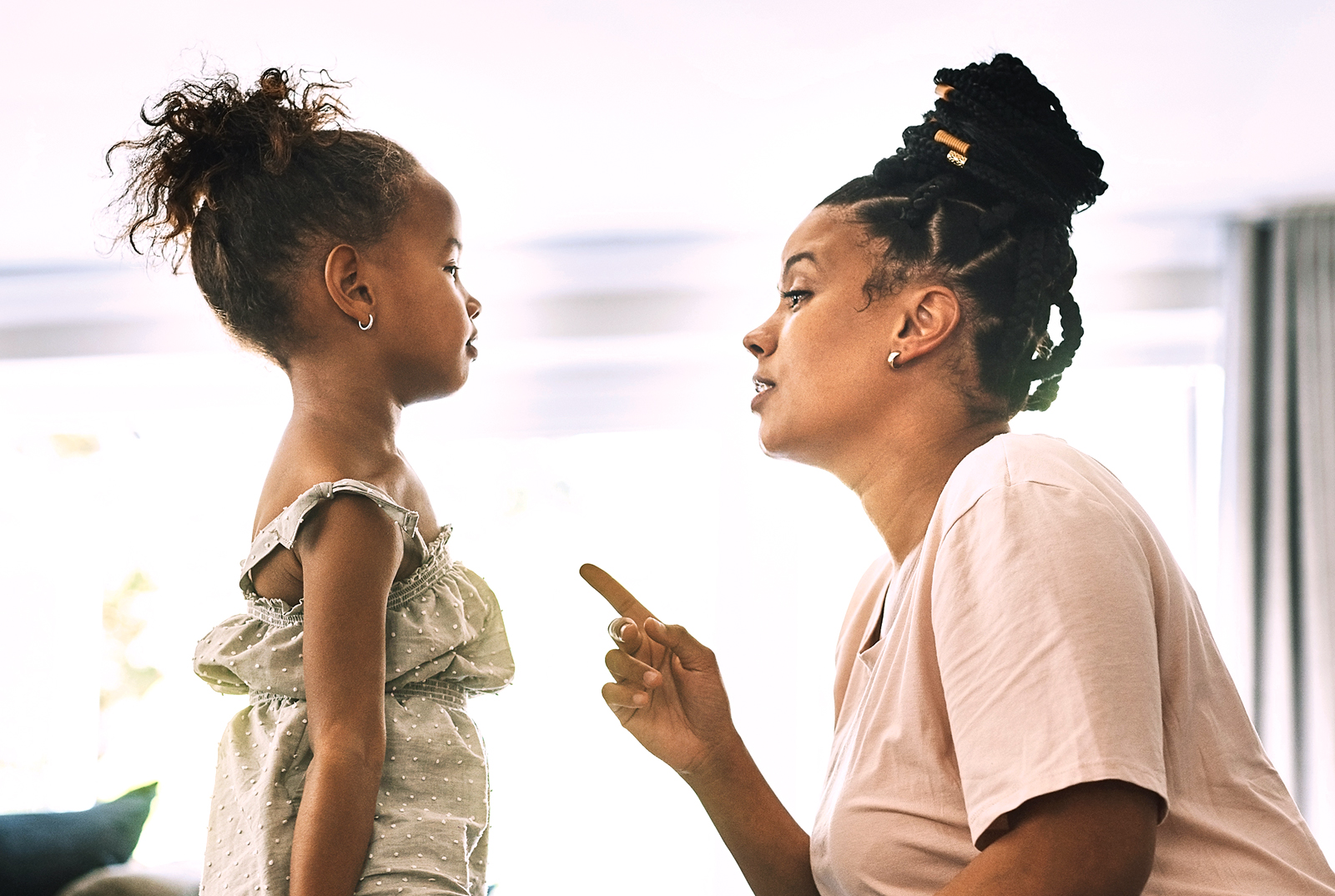
A wise man once said, “don’t worry that children never listen to you, worry that they are always watching you.”
There is a universal truth that echoes across cultures, generations, and family structures: children learn who they are by mirroring the adults in their lives. We can repeat instructions, write rules on the fridge, or lecture passionately about kindness and responsibility—but nothing helps a child see more clearly or emulate more permanently than the behaviour they see every day.
We are our children’s north star; they look to us for guidance and direction, and observe our actions as they form their own values, develop life skills, and determine what behaviour is acceptable. Much like a sponge, they absorb everything they see and hear.
Leading by example isn’t about perfection. In fact, it’s the opposite. It’s about showing children what it looks like to navigate real life with integrity. When parents and caregivers demonstrate patience during stressful times, apologize after making mistakes, or treat others with dignity, they give their children a living blueprint. These everyday actions form a silent curriculum, shaping the attitudes and habits children will hopefully carry into their adult lives.
Research and experience tell us that young children learn primarily through imitation. They are natural observers, absorbing not only what adults do, but how they do it—tone of voice, emotional reactions, problem-solving strategies. When a caregiver shows empathy in difficult moments, the child learns that empathy is a natural response, not just a theoretical concept. When a parent practices healthy boundaries around screen time or self-care, the child learns that prioritizing health and real-world experiences is important.
Modelling positive behaviour fosters environments where respect and emotional safety thrive. Children who grow up around calm problem-solving, open communication, and mutual kindness are more likely to exhibit those traits with peers, educators, and eventually colleagues.
We cannot control every influence our children encounter, but we can control the example we set. In a world full of noise, leading by example remains one of the quietest—and most powerful—forms of guidance. It is the daily act of becoming the kind of person we hope our children will grow up to be.
Publisher/Editor
Caroline Tapp-McDougall
caroline@bcsgroup.com
Photo: Shutterstock